
Why Is Hydrolyzed Wheat Protein Good For Skin or Hair?
What Exactly Is Hydrolyzed Wheat Protein?
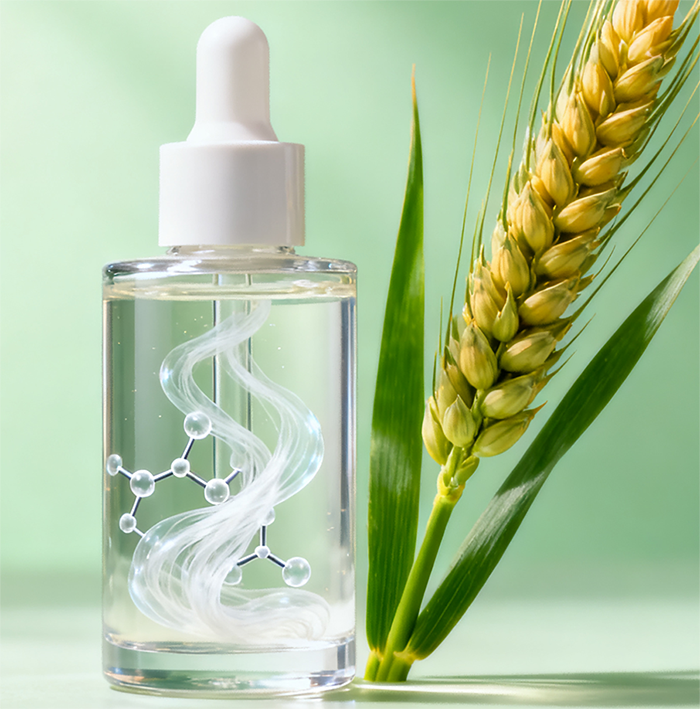
First, let’s get the basics right. Hydrolyzed wheat protein comes from wheat germ, but it’s not the same as whole wheat protein. Through a process called hydrolysis, chemists use acids, alkalis, or enzymes to break down large wheat protein molecules into tiny fragments—amino acids and short peptides . These small pieces are water-soluble, which means they can easily dissolve in cosmetic formulas and penetrate the outer layers of skin or hair fibers .
This process isn’t new. The beauty industry started using plant proteins like wheat in the 1970s, looking for natural alternatives to animal keratin . Today, manufacturers refine the hydrolysis to create different molecular weights, making the protein work for specific needs—whether it’s a lightweight lotion or a deep hair mask .
Key Features That Make It Stand Out
- Small Molecular Size: Unlike large wheat proteins, the hydrolyzed fragments slip into skin and hair easily, delivering benefits where they’re needed most .
- Water-Soluble: Mixes seamlessly into water-based products like serums and shampoos without clumping .
- Natural and Vegan: Sourced from wheat, it’s plant-derived, making it perfect for vegan and vegetarian beauty routines (just check for other animal additives) .
- Gentle: Tolerated by most skin and hair types, including sensitive and oily skin .
Benefits for Skin: Hydration and Protection
- Deep Moisturization
Hydrolyzed wheat protein is a powerhouse moisturizer. Its molecular structure has hydrophilic (water-loving) groups like hydroxyl and amino, which form bonds with water to lock it into the skin . But it doesn’t stop there—it also forms a thin, flexible film on the skin’s surface. This film slows down water loss and keeps skin hydrated all day .
For dry or mature skin, this means softer, smoother texture. Even oily skin benefits: the light film doesn’t feel heavy or greasy, just refreshingly hydrated .
- Strengthens Skin Barrier
The protein film does more than hold moisture—it protects. It acts as a shield against environmental stressors like wind and pollution, while still letting the skin breathe . Plus, the amino acids in the protein feed skin cells, boosting metabolism and helping the skin repair itself.
- Soothes and Smooths
If you have rough patches or fine lines, this ingredient can help. The conditioning film smooths uneven skin, making it look more even . And since it’s gentle, it’s safe for Sensitive Skin (just avoid it if you’re allergic to wheat or gluten) .
Benefits for Hair: Strength and Shine
Hair is mostly made of keratin, so protein is essential for its health. Hydrolyzed wheat protein delivers that protein exactly where damaged hair needs it.
- Penetrates and Repairs
A 2000 study in the Journal of Cosmetic Science used confocal laser-scanning microscopy to prove something key: hydrolyzed wheat proteins penetrate all hair types effectively . Once inside, they repair broken bonds in the hair shaft, which are often damaged by heat styling or coloring .
Another study in the Journal of the American Academy of Dermatology (2010) tested a shampoo and conditioner with wheat protein on dry, damaged hair. After just three uses, hair quality improved significantly—less breakage and smoother texture .
- Boosts Strength and Elasticity
Weak hair snaps easily, but hydrolyzed wheat protein strengthens it from within. It restores the hair’s natural structure, reducing brittleness . By retaining moisture, it also increases elasticity—so hair can stretch without breaking . For anyone with chemically treated or heat-damaged hair, this means fewer split ends and more resilient locks .
- Fights Frizz and Adds Shine
Static and frizz happen when hair has a positive charge, making strands repel each other. Hydrolyzed wheat protein neutralizes this charge, taming flyaways . It also smooths the hair cuticle (the outer layer), reflecting light for a glossy finish . Fine hair gets an added bonus: the protein coats each strand, adding volume without weighing it down .
- Supports Hair Growth
A 2021 study in the Journal of the American Academy of Dermatology looked at an anti-hair loss shampoo with wheat protein. It found the shampoo activated the Wnt/β-catenin pathway in hair follicle cells—this pathway is key for hair growth . Regular use led to less shedding and healthier new growth .
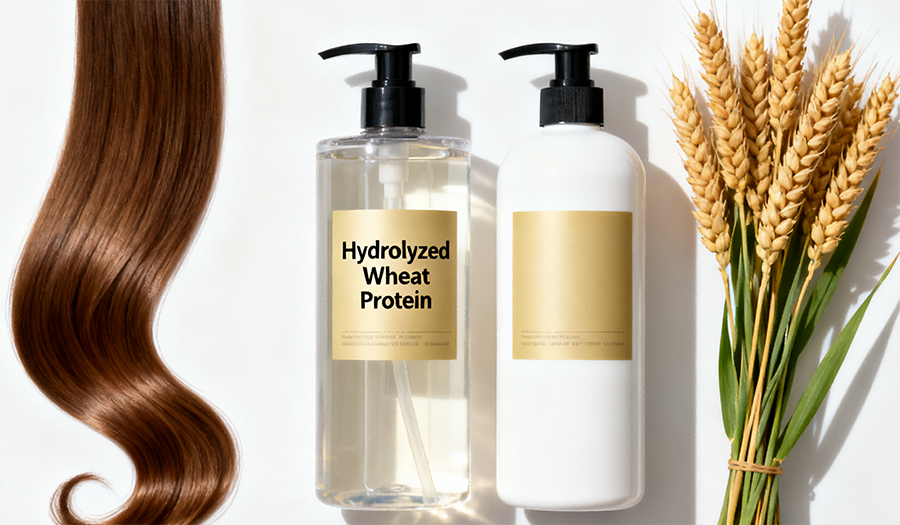
Where to Find It in Cosmetics
You’ll spot hydrolyzed wheat protein in dozens of products, thanks to its versatility:
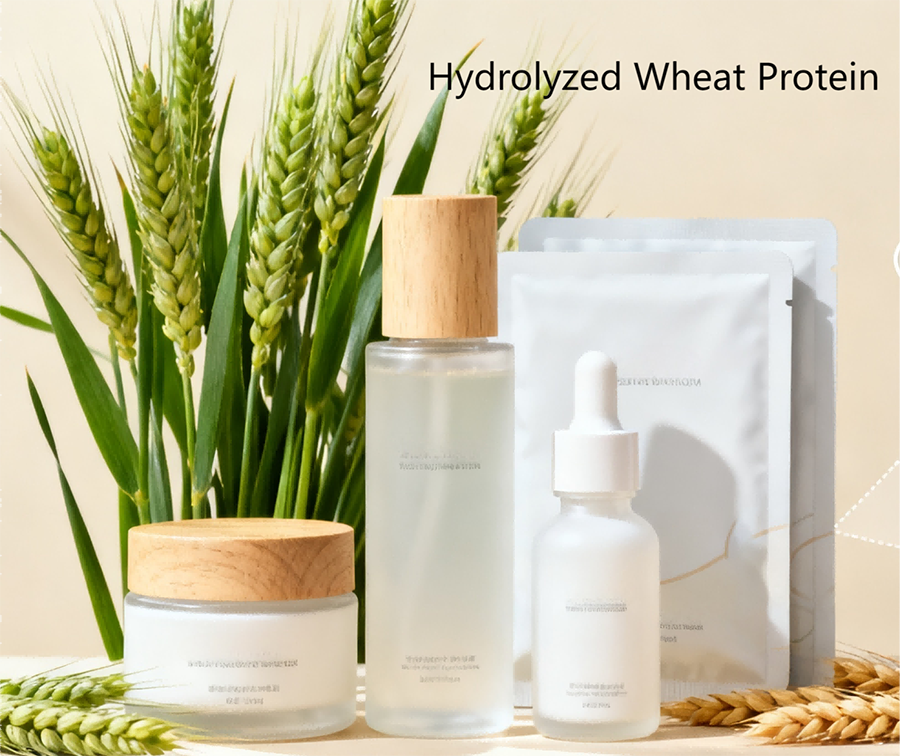
- skincare:Facial moisturizers, sheet masks, lightweight lotions, anti-aging serums, and after-shave balms .
- Haircare: Shampoos (to protect while cleaning), conditioners (for smoothness), hair masks (deep repair), leave-in serums (all-day protection), curl definers, and anti-frizz sprays .
Who Should Avoid It?
While it’s gentle for most, if you have a confirmed wheat or gluten allergy, steer clear. Even topical use could trigger a reaction . Everyone else can enjoy its benefits without worry—pregnant people also find it low-risk for topical use .
The Science Says It Works
From the 2000 penetration study to the 2021 hair growth research, the evidence is clear: hydrolyzed wheat protein delivers on its promises. It’s not just a "natural" buzzword—it’s an ingredient with proven results for hydration, strength, and protection.
Next time you pick up a moisturizer or conditioner, check for hydrolyzed wheat protein. Your skin and hair will thank you for choosing an ingredient that’s both gentle and effective.
- Name: Yuki
- E-mail: sales02@nahanutri.com
- WhatsApp:+8618066950297