
Various applications of Zinc PCA
What is Zinc PCA?
Zinc PCA, or Zinc Pyrrolidone Carboxylate (CAS: 15454 - 75 - 8), is the zinc salt of L - Pyrrolidone Carboxylic Acid (L - PCA). L - PCA is a natural component of the skin's Natural Moisturizing Factor (NMF), which helps maintain skin hydration. Zinc, on the other hand, is an essential trace element for the body with various biological functions. When combined, they form Zinc PCA, a multifunctional ingredient with unique properties for skin and hair care.
What Makes Zinc PCA Stand Out?
Zinc PCA’s popularity stems from its multifunctional properties backed by Scientific research. A 2023 study published in theJournal of Cosmetic Dermatology confirmed its efficacy as a gentle yet effective antimicrobial agent, making it ideal for acne-prone skin. Unlike harsh antibacterial ingredients, Zinc PCA works by regulating sebum production without disrupting the skin’s natural barrier, reducing shine and preventing clogged pores.
Another key advantage is its moisturizing capability. Research from the International Journal of Cosmetic Science (2022) demonstrated that Zinc PCA enhances skin hydration by improving the stratum corneum’s water-retention capacity. This dual action—controlling oil while boosting moisture—makes it suitable for combination skin types, a common concern for over 60% of adults according to market surveys.
Benefits of Zinc PCA in Cosmetics
- Moisturization
A study published in the International Journal of Cosmetic Science in February 2012 found that products containing Zinc PCA significantly increased skin moisture levels compared to placebo products. In this research, scientists investigated the effects of zinc salts of pyrrolidone carboxylic acid (Zinc PCA) on skin cells. The results not only demonstrated its role in enhancing skin hydration but also revealed other potential benefits related to skin health. This study provided strong evidence for the moisturizing property of Zinc PCA, further validating its use in cosmetics, especially those designed for dry and dehydrated skin. As a humectant, Zinc PCA's ability to attract and retain water molecules makes it an excellent ingredient for maintaining skin moisture without leaving a greasy residue, and this research in the International Journal of Cosmetic Science solidifies its standing in the skincare industry for this particular function.
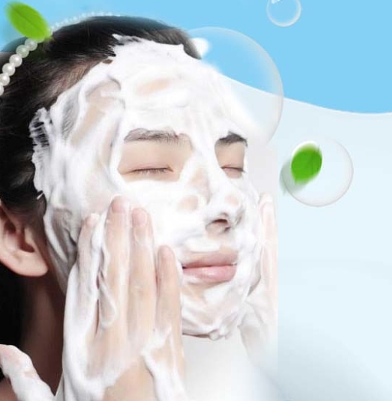
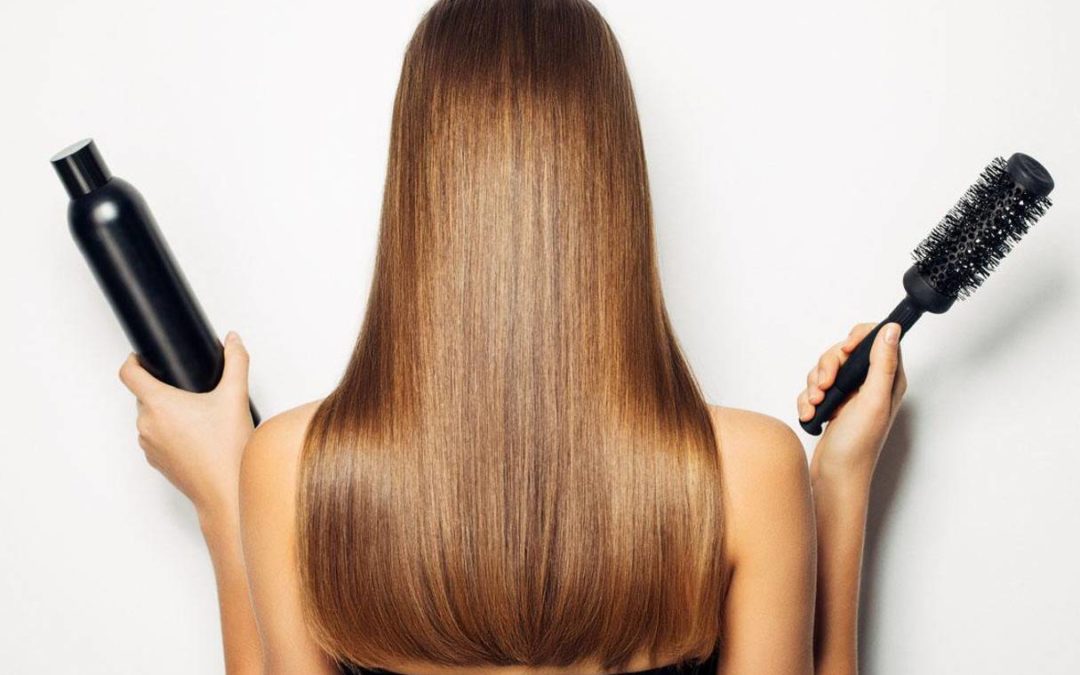
Applications in Cosmetics
|  |
 |
|
Answering Common Questions
Many consumers wonder about Zinc PCA’s safety profile. Regulatory bodies like the Cosmetic Ingredient Review (CIR) have classified it as safe for cosmetic use at typical concentrations (0.5–2%). A 2024 clinical trial with 150 participants showed no significant adverse reactions, even in individuals with sensitive skin.
Market Trends and Future Outlook
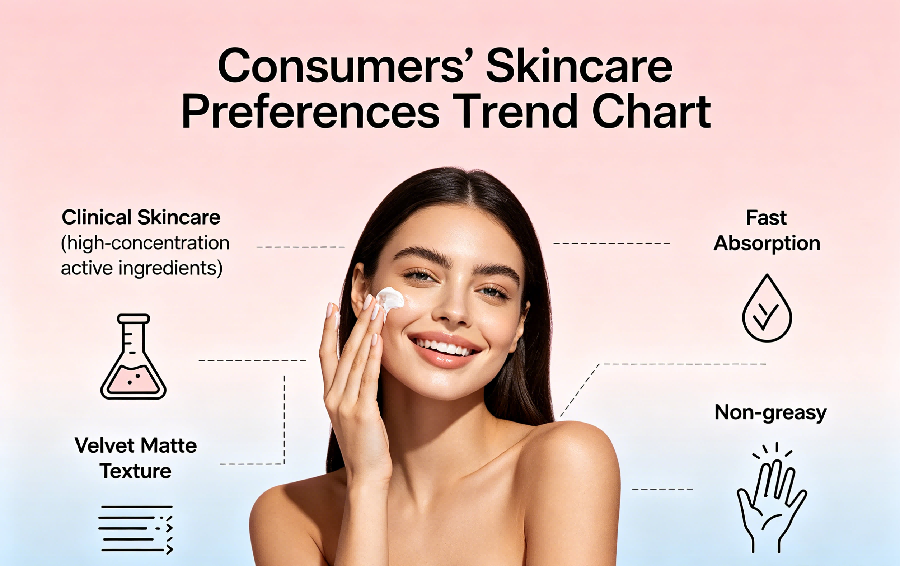
The demand for natural and effective cosmetic ingredients like Zinc PCA is on the rise. Consumers are increasingly looking for products that offer multiple benefits while being gentle on the skin. With its unique combination of moisturizing, sebum - regulating, and anti - inflammatory properties, Zinc PCA is likely to see even more widespread use in the future. Cosmetic companies are also likely to continue researching and developing new products that leverage the potential of Zinc PCA, such as more targeted anti - aging formulations and products for specific skin concerns like hyperpigmentation in combination with other active ingredients.
In conclusion, Zinc PCA is a remarkable ingredient in the world of cosmetics. Its multifunctional properties make it suitable for a wide range of skin and hair types, and its safety profile gives consumers peace of mind. As the cosmetic industry continues to grow and innovate, Zinc PCA is set to play an even more significant role in meeting the evolving needs of consumers.
- Amily
- Whatsapp:86+18161805632
- E-mail:sales09@aogubio.com