
Adenosine in Cosmetics: A Complete Guide
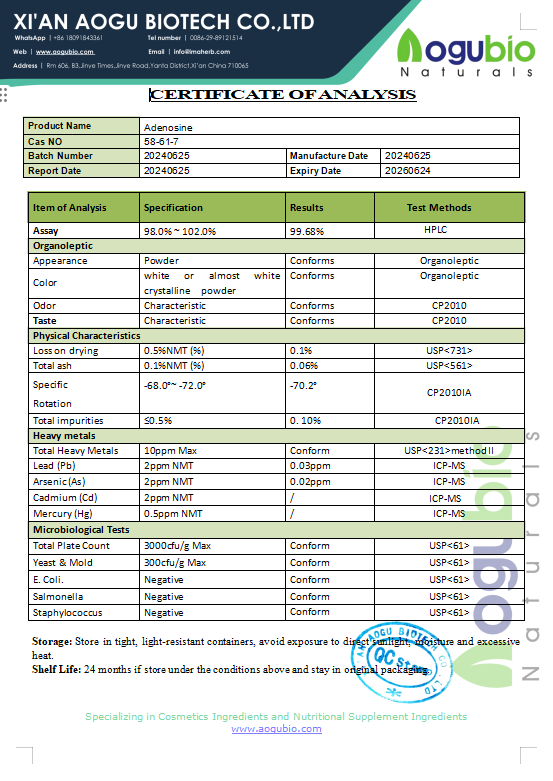
What is Adenosine?Adenosine is a naturally occurring purine nucleoside that is present in every cell of the human body. Chemically, it is composed of adenine attached to a ribose sugar molecule. In the context of cosmetics, adenosine used in formulations is typically derived through a fermentation process involving yeast (Deascal, 2024). This fermentation method allows for the production of a high - purity form of adenosine, suitable for topical application. |  |
How Does Adenosine Work in Cosmetics?
Skin - related Mechanisms
- Cell - communicating Ingredient: Adenosine functions as a cell - communicating ingredient, similar to retinoids and peptides. It enhances the natural behavior of skin cells. For example, it can stimulate fibroblasts, the cells responsible for producing collagen and elastin in the skin. Research has suggested that adenosine may increase the production of collagen fibers, which are crucial for maintaining Skin elasticity and firmness (Clinique, 2019).
- Adenosine - mediated Signaling Pathways: It is involved in various signaling pathways in the skin. By binding to specific receptors on the cell surface, adenosine can trigger a cascade of events that lead to changes in cell function. One such pathway is related to the regulation of inflammation. Adenosine has been shown to modulate the release of pro - inflammatory cytokines, which can help soothe irritated skin (Clinique, 2019).
Hair - related Mechanisms
- Hair Growth Promotion: In haircare, adenosine has been studied for its potential to promote hair growth. A noveladenosine delivery system, Hydroxysomes® Adenosine by Actera Ingredients, has been shown to significantly improve hair density and thickness when applied to the scalp (specialchem.com, 2023). It works by thickening the hair shaft and extending the anagen (growth) phase of the hair growth cycle. This is achieved through the delivery of adenosine inside microscopic calcium particles that can penetrate into deeper layers of the scalp, overcoming the dermal penetration challenges faced by pure adenosine.
Benefits of Adenosine in Cosmetics
Anti - ageing Benefits
- Collagen Production: Multiple studies have indicated that adenosine can aid in the skin's natural collagen production. A study by Clinique (2019) found that adenosine has potential anti - ageing benefits as it helps improve skin texture and elasticity by promoting collagen synthesis. As collagen levels decline with age, leading to the formation of wrinkles and loss of firmness, adenosine - containing products can potentially counteract these effects.
- Reduction of Fine Lines and Wrinkles: Over time, adenosine can help smooth the appearance of lines and wrinkles. By enhancing the skin's natural repair processes and promoting cell turnover, it can make the skin surface appear more even and reduce the visibility of fine lines.
Soothing and Anti - inflammatory Properties
- Skin Irritation Reduction: In products like Clinique's Smart Clinical Repair™ Overnight Recovery Cream + Mask, adenosine acts to soothe and restore the skin overnight, improving the look of irritation and reducing skin sensitivities (Clinique, 2019). It can calm down redness and discomfort associated with various skin conditions, such as eczema or post - shaving irritation.
- Inflammation Modulation: Adenosine is involved in modulating the body's inflammatory response in the skin. By reducing the release of pro - inflammatory mediators, it can prevent the development of chronic inflammation, which is often associated with premature skin ageing.
Skin Barrier Protection
- Hydration and Barrier Strengthening: Some research suggests that adenosine's hydrating and soothing properties can help to strengthen the skin barrier. A healthy skin barrier is essential for preventing water loss and protecting the skin from external irritants. By maintaining optimal hydration levels in the skin, adenosine contributes to a stronger and more resilient skin barrier (Clinique, 2019).
- Wound Healing Support: Adenosine also has potential to assist with wound healing. It can promote cell migration and proliferation at the site of a wound, which is crucial for the repair process. This property makes it beneficial in products designed for post - procedure or post - injury skin care.
Hair Growth and Thickness
- Increased Hair Density: As mentioned earlier, products with adenosine, such as those containing the Hydroxysomes® Adenosine delivery system, have been clinically proven to improve thinning caused by male and female pattern hair loss (androgenetic alopecia) (specialchem.com, 2023). By extending the growth phase of the hair cycle and thickening the hair shaft, adenosine can lead to an overall increase in hair density and a more voluminous appearance.
Common Questions about Adenosine in Cosmetics
Is Adenosine Safe for All Skin Types?
Adenosine is generally considered gentle and is well - tolerated by most skin types, including sensitive skin (Clinique, 2019; Glooshi, 2025). Its low allergenic potential makes it a suitable ingredient for those with reactive or easily irritated skin. However, as with any new skincare product, it is advisable to perform a patch test before full - scale use, especially for individuals with a history of severe allergies or extremely sensitive skin.
Can Adenosine Be Used in Vegan and Vegetarian - friendly Products?
Yes, adenosine is suitable for both vegans and vegetarians. The fermentation process used to produce cosmetic - grade adenosine involves yeast and does not involve any animal - derived ingredients or by - products (Glooshi, 2025). This makes it an attractive option for consumers who are conscious about the ethical and dietary aspects of their cosmetic products.